





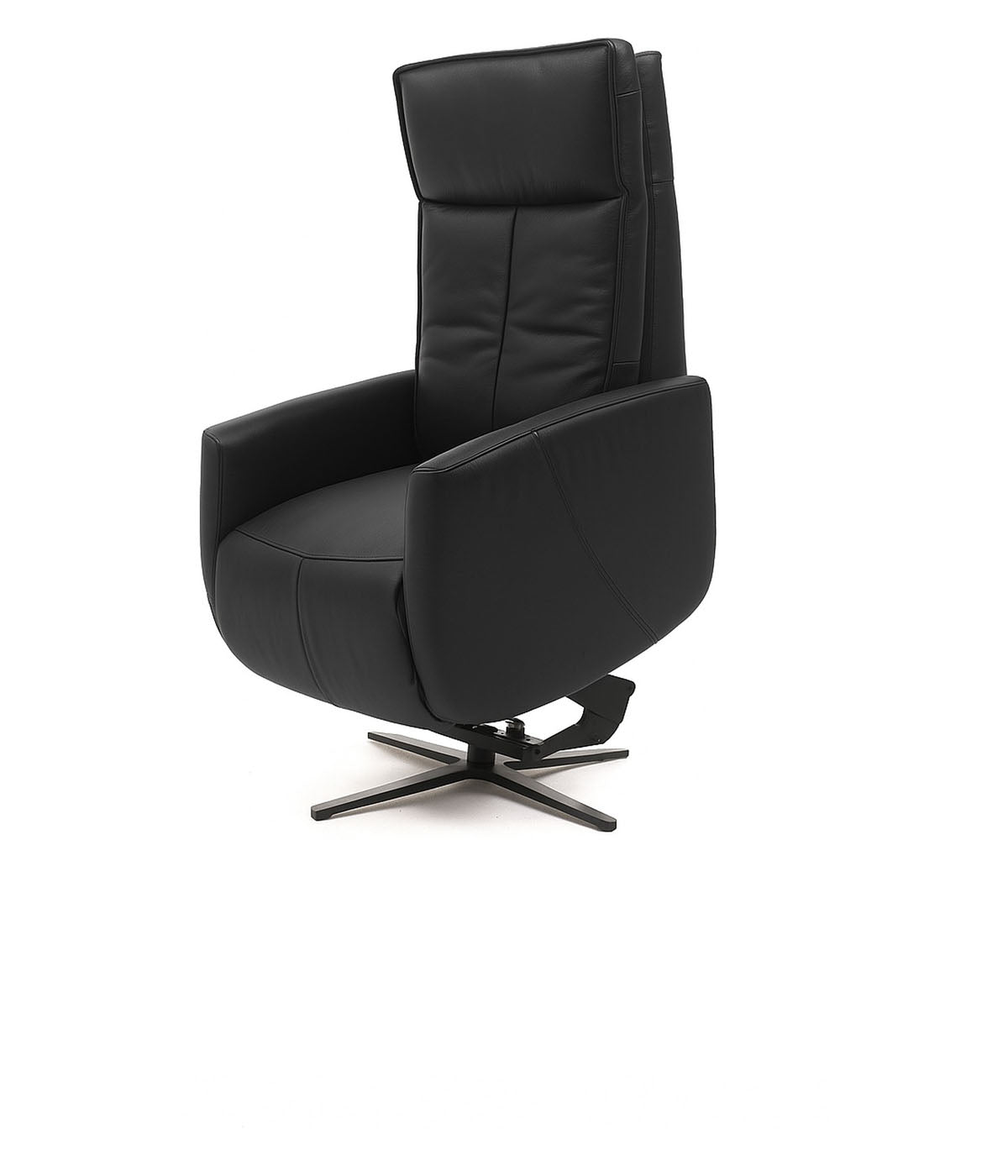
Why a zero gravity recliner

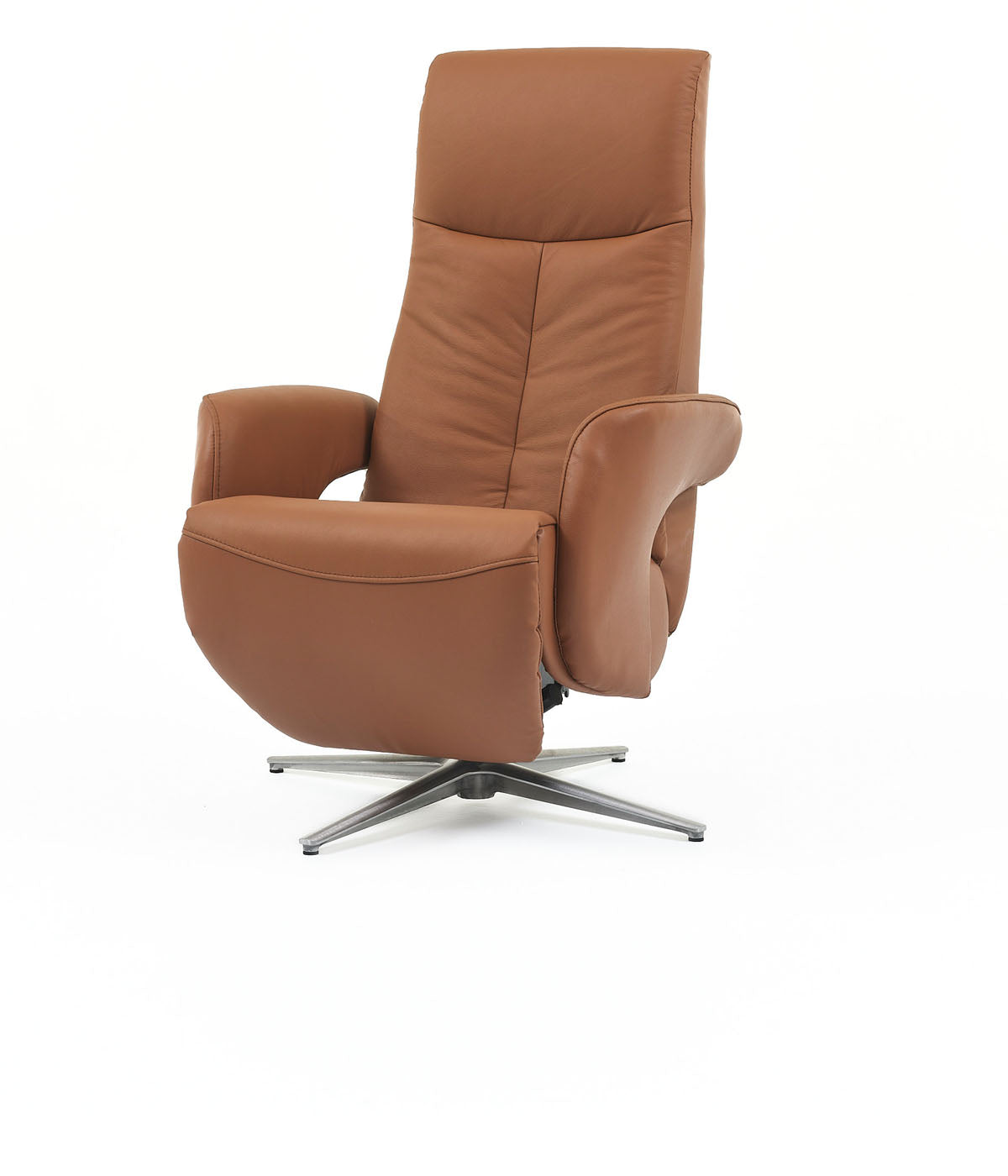
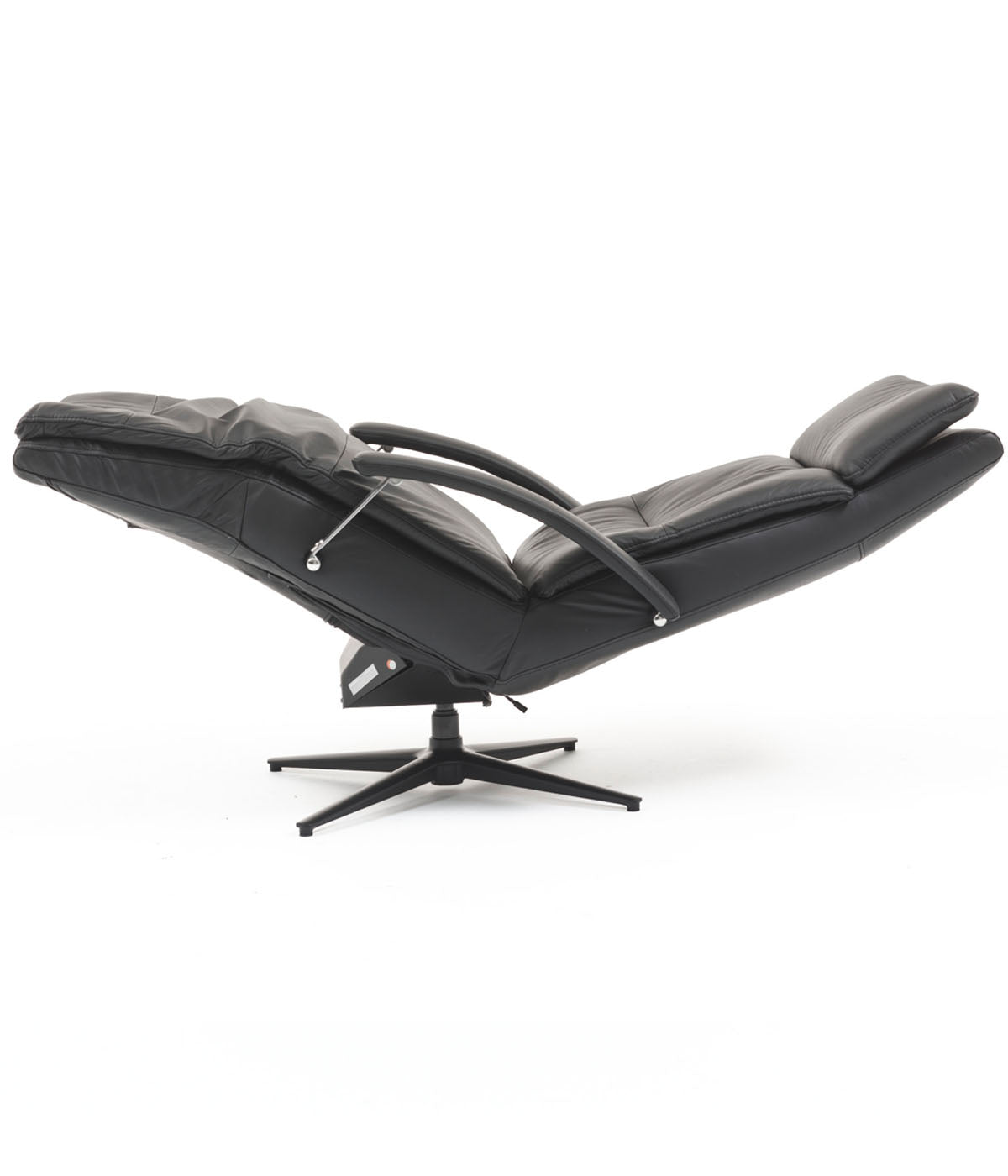
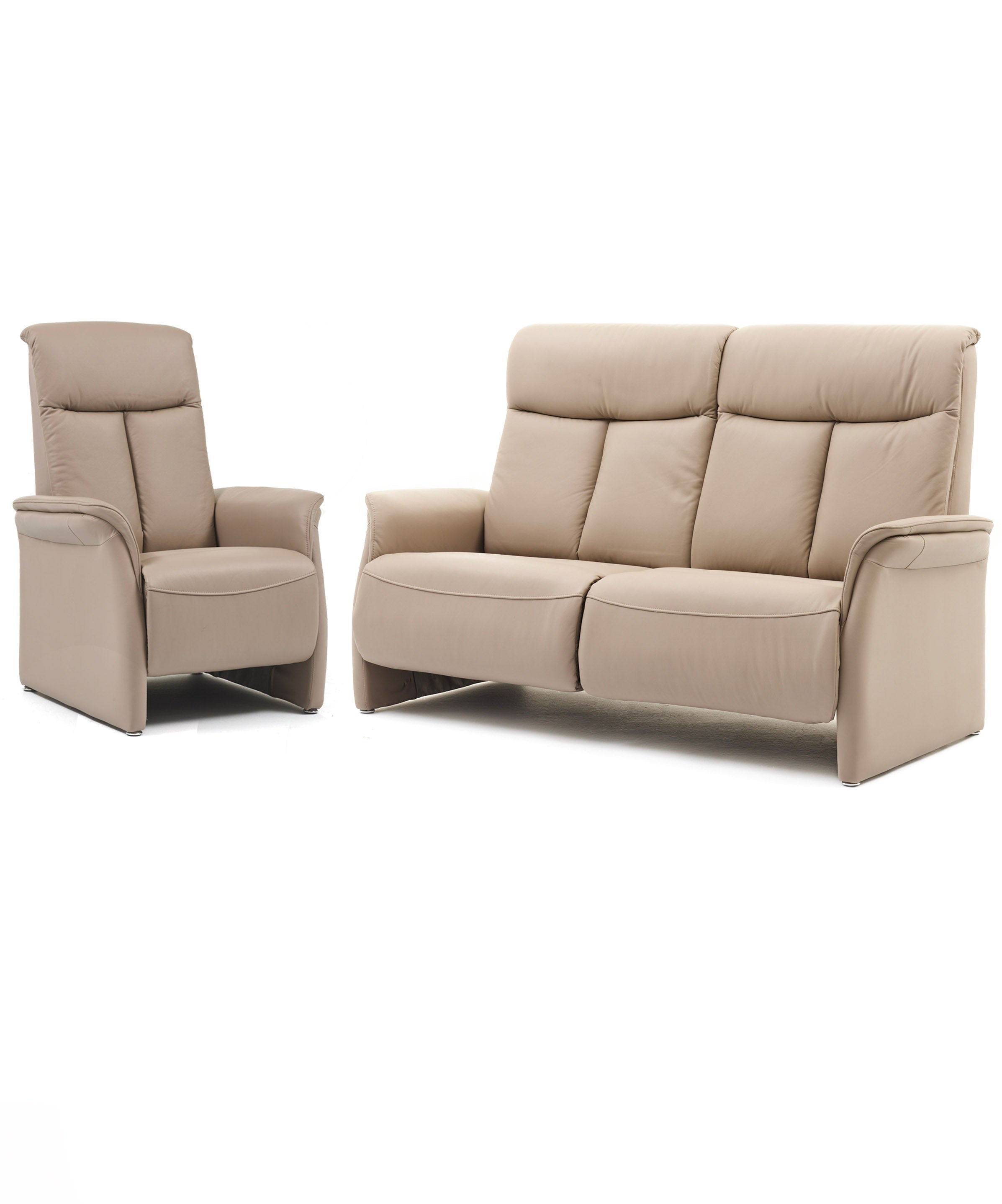
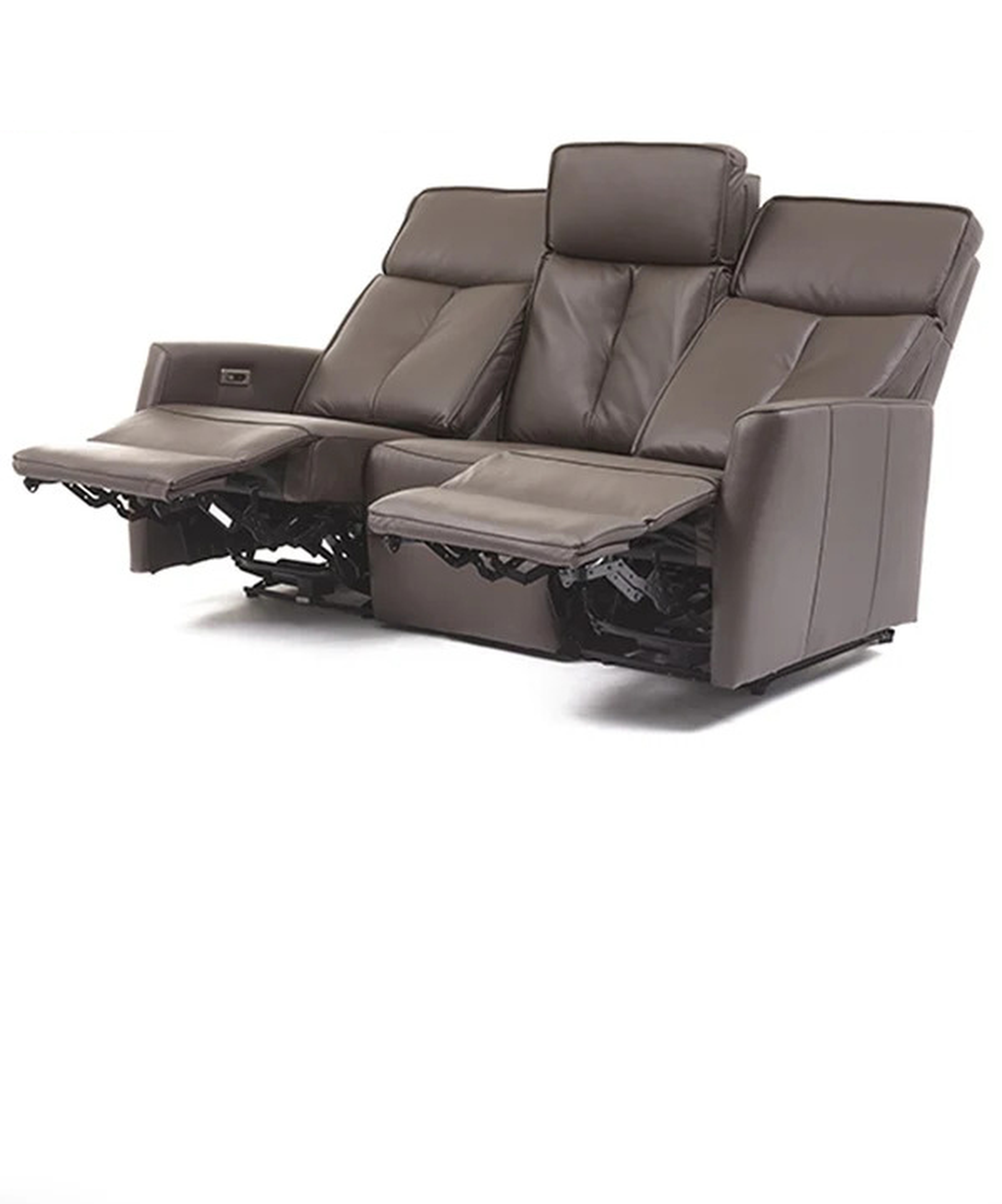
The Science Behind the Zero Gravity Position
Developed by NASA and confirmed by biomechanical research: why the 128-degree zero-gravity position provides the ultimate relief for the human spine and lower back.
The ideal biomechanical angle between trunk and thigh for muscle relaxation.
Reduction in pressure on the lumbar intervertebral discs compared to a forward-leaning seated position.
Increased venous blood return thanks to legs positioned above heart level.
Relative Pressure on the Intervertebral Discs
Based on the classic in vivo disc pressure studies by Dr Alf Nachemson. The chart shows the pressure on the third lumbar vertebra (L3) in various body positions, with 'standing upright' as the 100% reference value. In the Zero Gravity position, pressure is almost entirely eliminated.
Physiological Parameters
A comparison between a standard ergonomic seated posture and the Zero Gravity reclined position. By tilting the pelvis and elevating the legs, nearly all stress-related physiological indicators improve throughout the body.
How the mechanism works
Leg Elevation
The legs are raised above heart level. This eliminates gravitational pull on the lower limbs and promotes blood circulation back toward the heart.
Pelvic Tilt
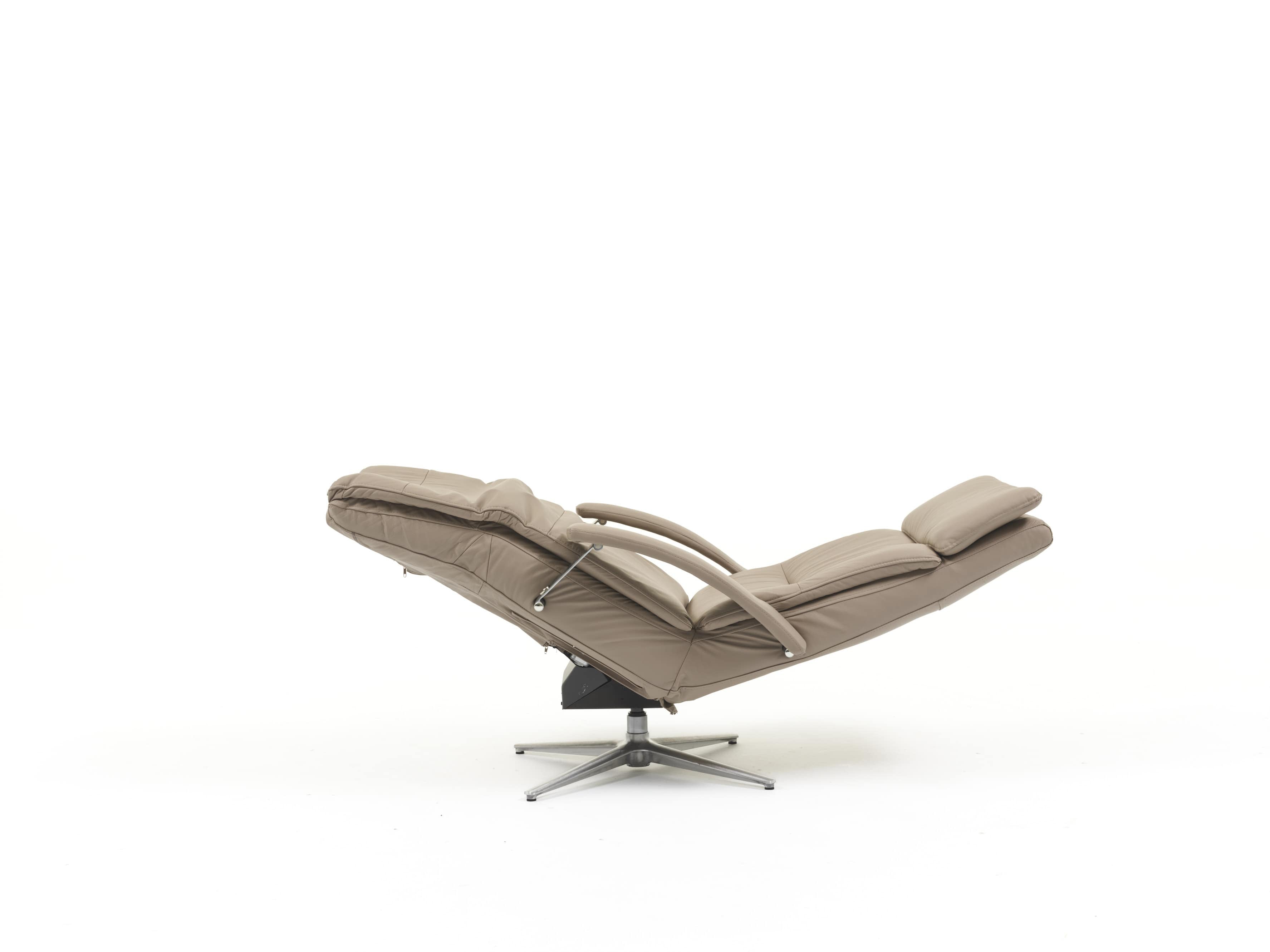
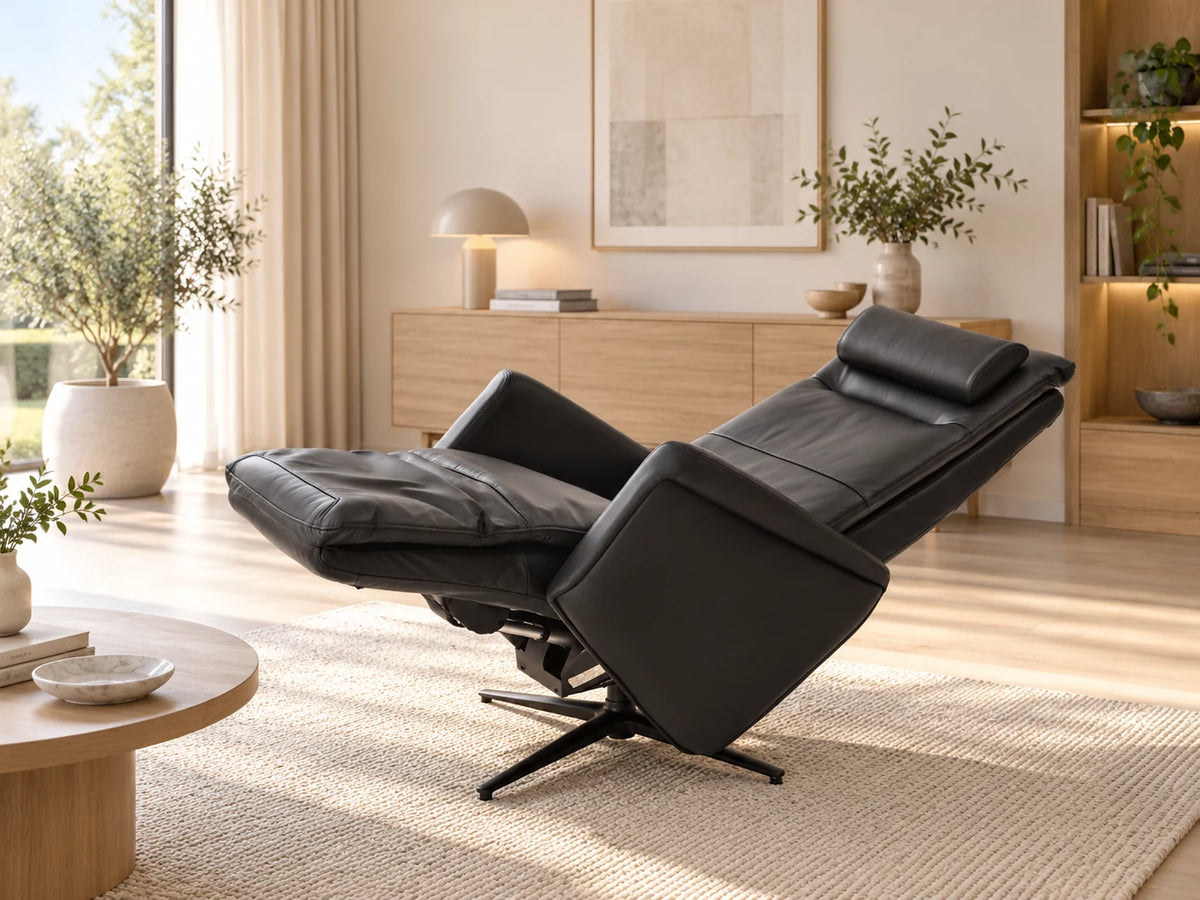
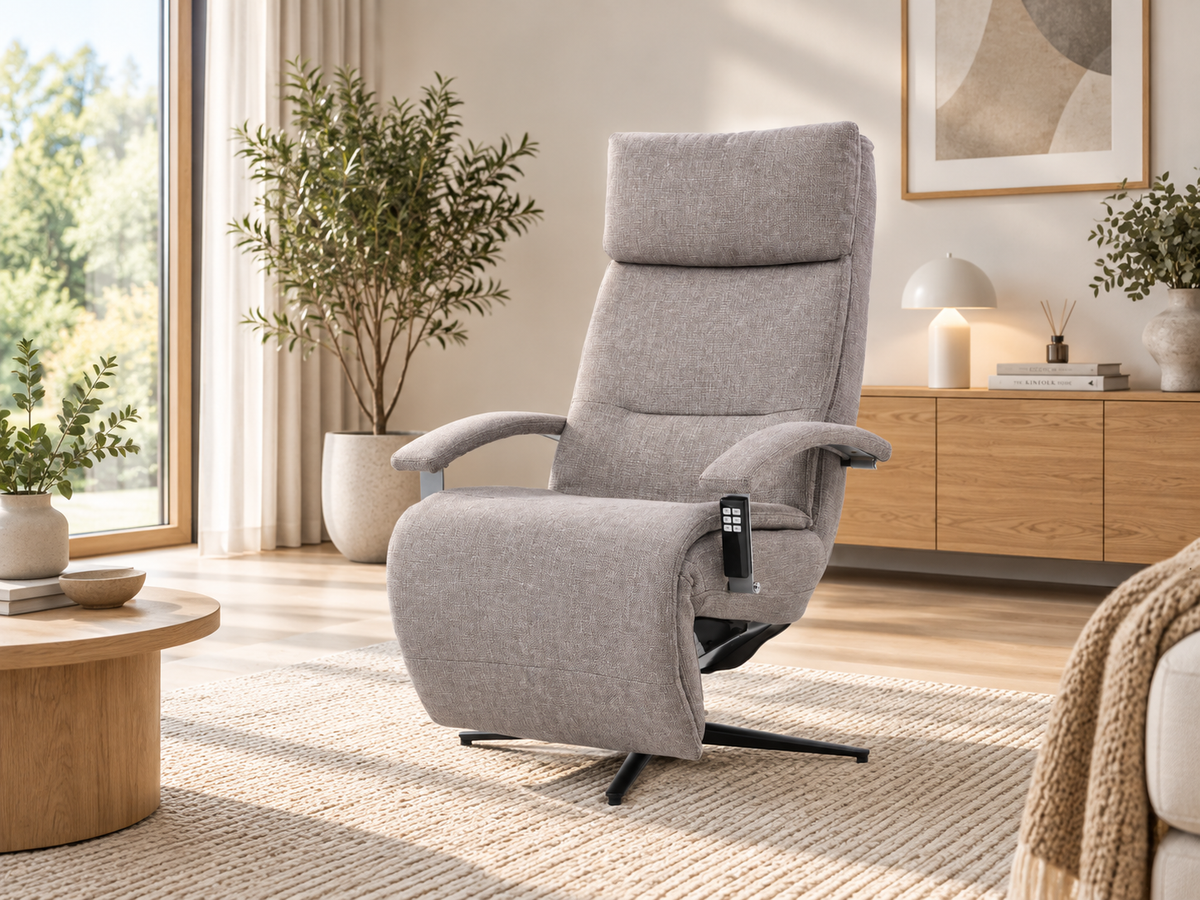
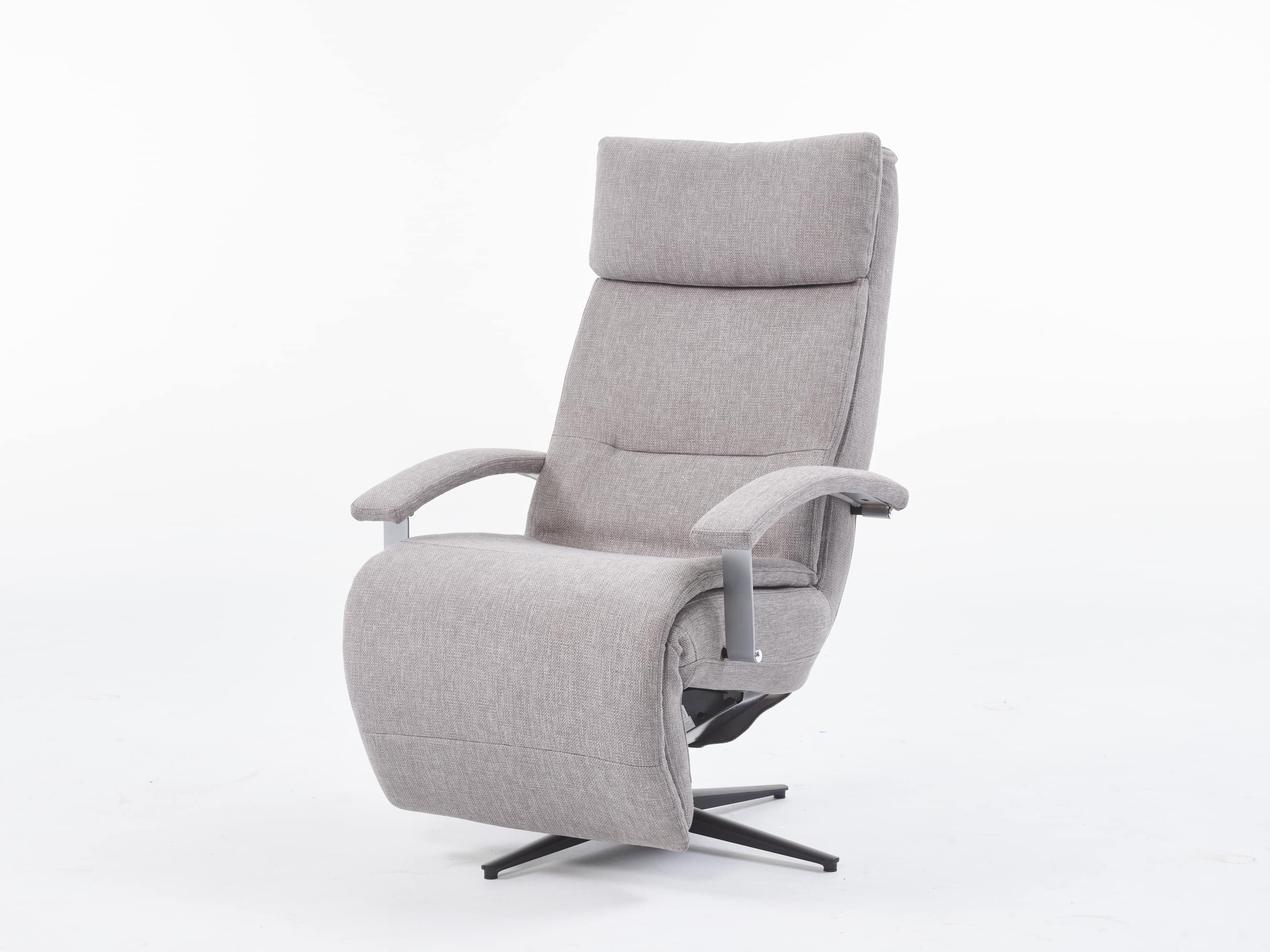
The specific angle of ~128 degrees achieves a neutral pelvic tilt (Neutral Body Posture). This allows the spine to return to its natural, relaxed S-curve.
Full Decompression
Body weight is distributed evenly across the backrest. Gravity no longer pulls vertically on the vertebrae, allowing the intervertebral discs to rehydrate and recover.
📚 Scientific References
- NASA (National Aeronautics and Space Administration): Research into the Neutral Body Posture (NBP) aboard space stations. Confirms the natural posture the body adopts in microgravity to minimise muscle tension.
- Nachemson, A. L. (1981): Disc pressure measurements. Spine, 6(1), 93-97. The fundamental orthopaedic study demonstrating how different postures exponentially affect lumbar disc pressure.
- Keegan, J. J. (1953): Alterations of the lumbar curve related to posture and seating. Journal of Bone and Joint Surgery. Proves that an open trunk angle (>90 degrees) is necessary to maintain lumbar lordosis.
Drag the slider and compare the pressure per chair type.
Chair (90°)
A standard 90-degree seated position on a chair or office chair puts significantly more pressure on the intervertebral discs of your lower back than standing upright.
Zero Gravity Relaxation Seats

Video